
How Long Does Cocaine Remain in Your System and Stay Detectable?









Table of Contents
- Cocaine’s effects are generally short-lived, but its metabolites remain detectable after the high fades.
- Cocaine has a relatively short half-life, but many cocaine screenings look at benzoylecgonine, the primary breakdown product of cocaine.
- Cocaine metabolites may be detectable in urine for up to about 5 days in many cases, although heavy or frequent use can extend the detection window.
- Blood and saliva tests tend to be more sensitive to detecting recent cocaine usage.
- Hair tests may show a longer pattern of cocaine use, often up to about 90 days.
- There is currently no effective method to "flush" cocaine rapidly out of the body.
The timeframe in which cocaine remains detectable can depend upon a variety of factors. These factors include type of drug test, the amount of cocaine used, the frequency of use, the individual’s metabolic rate, and whether other substances (such as alcohol) were ingested simultaneously.
In addition to the factors listed above, each type of drug test offers information concerning a different aspect of the individual’s use of cocaine. Types of drug tests include urinalysis, blood testing, salivary testing, and hair analysis.
How Long Does Cocaine Last?
Cocaine is classified as a stimulant and functions by altering the functioning of the central nervous system. Cocaine may be smoked or injected in order to achieve a rapid onset and increased intensity of effect. Alternatively, individuals may use cocaine intranasally by snorting it. Regardless of the route used to administer cocaine, increased dopamine release in regions associated with reward and motivation reinforces continued drug-seeking behavior. Additionally, cocaine can produce a range of adverse psychological effects, including anxiety and paranoia. Cocaine use can also lead to seizures, myocardial infarction, stroke, coma, and overdose. [1]
What Is Cocaine’s Half-Life?
Half-life is the time required for the concentration of an active substance in the body to decrease by half.
Cocaine has been reported to possess a half-life that ranges from 60 minutes to approximately two hours. Although the half-life is relatively short compared to other types of substances, this does not necessarily indicate that all cocaine is removed from the body during this timeframe. Instead, it indicates that half of the original amount of cocaine has been metabolized. The remainder is broken down further into various metabolites. Benzoylecgonine is particularly relevant here since many cocaine screening assays focus primarily on detecting this particular metabolite. [2]
Cocaine Detection Timeframes
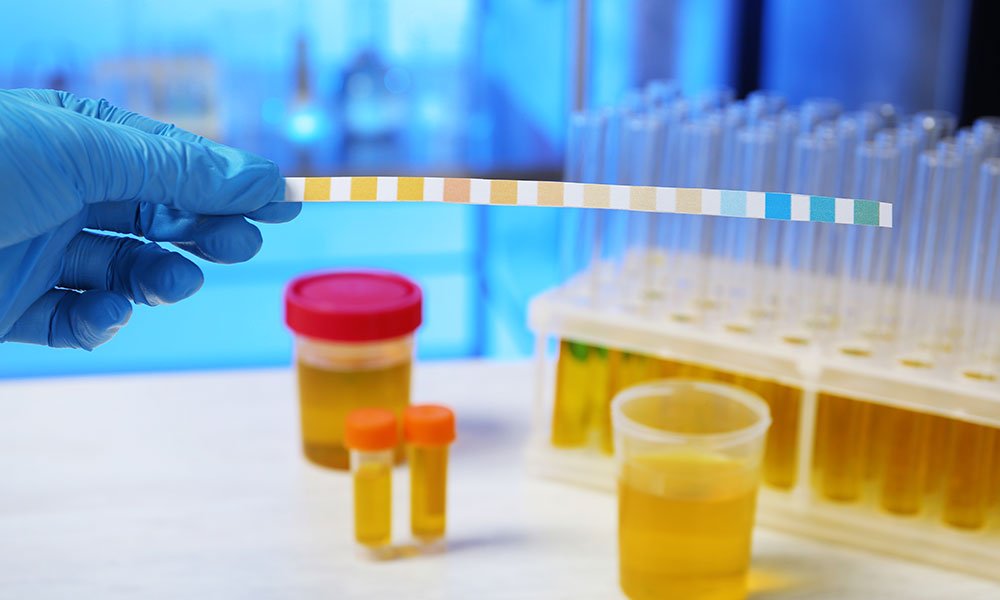
Detecting cocaine is dependent upon a number of factors, including the type of test employed. Estimates regarding detection timeframes include:
- Urine tests typically detect cocaine for less than 1 day post-administration. Most urine tests detect benzoylecgonine instead, which may be detectable for up to 5 days post-administration. This timeframe may vary greatly depending on several variables, including frequency, dosage amount, and individual metabolism.
- Blood tests are primarily useful for identifying recent use. Generally detects cocaine or benzoylecgonine within hours to about 1 day post-administration.
- Saliva tests identify recent cocaine use. Detects cocaine or benzoylecgonine for about 1 to 2 days post-administration.
- Hair tests are useful for demonstrating prolonged periods of use. Identifies cocaine or benzoylecgonine for approximately 90 days post-administration.
General Detection Windows
A study conducted by Mayo Clinic Laboratories reports urine detection windows of less than 1 day for cocaine and up to 5 days for benzoylecgonine.[3] However, actual detection windows may vary based on numerous factors such as:
- Amount Used: More cocaine consumed equates to greater amounts being available for detection.
- Frequency And/Or Dosage Amount: Chronic or heavy users will exhibit longer detection windows than casual or light users.
- Route of Administration: Differences exist depending on how cocaine is administered (e.g., snorted, smoked, or injected).
- Alcohol or Other Substances Used at The Same Time: When cocaine and alcohol are used together, the body can form cocaethylene, which may last longer than cocaine and increase health risks. This compound can persist longer than cocaine alone and enhance overall toxicities associated with cocaine use.
Can You Clear Cocaine More Quickly?
There is no proven way to quickly flush cocaine or its metabolites out of the body. Detox drinks, excessive water intake, heavy exercise, and supplements cannot guarantee faster clearance and may be unsafe. These practices may pose additional health-related hazards. Excessive hydration poses serious risks. Intensive physical activity may pose risks when an individual’s cardiovascular system, heart rate, or blood pressure have been altered by recent cocaine use.
Potential Adverse Health Consequences Associated With Cocaine Use
Cocaine can negatively impact multiple physiological systems, including:
- Central nervous system
- Cardiovascular system or blood vessels
- Respiratory system or mental health
Possible consequences include anxiety, paranoia, high blood pressure, tachycardia, arrhythmias, seizures, stroke, myocardial infarction, coma, and overdose. Illegal street-purchased cocaine may also include fentanyl or other substances that increase overdose risk regardless of intent.
Naloxone can reverse an opioid overdose if fentanyl or another opioid is involved, but it will not reverse cocaine toxicity itself. If someone becomes unresponsive, unconscious, is breathing slowly, has blue or purple lips, or cannot be awakened after substance use, dial 911 immediately, and naloxone should be administered if available.
Cocaine Rehabilitation Programs in Scottsville, Kentucky
Aura Recovery provides dedicated cocaine addiction treatment and identifies concerns associated with cocaine use such as intense cravings, depression, fatigue, anxiety, paranoia, mood changes, and other physical and psychological effects.
If cocaine or crack cocaine use, cravings, withdrawal symptoms, polysubstance use, or co-occurring mental health concerns have become difficult to manage, an assessment can help determine the appropriate level of care and create a personalized treatment plan.
Aura Recovery Editorial Guidelines
At Aura Recovery, we take your health and wellness seriously. We have a thorough process in place to ensure the integrity of information that is displayed on our website. All content published to our site undergoes a rigorous medical review by a doctorate level clinician to ensure medical accuracy.
Read More About Our ProcessFrequently Asked Questions About Cocaine Duration and Detection
Sources



© 2026 Aura Recovery Center. All rights reserved. - Privacy Policy