
Cymbalta and Alcohol: Can You Drink Alcohol While Taking Cymbalta (Duloxetine)?








Table of Contents
- What Is Cymbalta (Duloxetine)?
- Interaction: Cymbalta and Alcohol
- Is Any Alcohol Ever “Safe” While Taking Cymbalta?
- How Alcohol Affects Cymbalta’s Effectiveness
- Monitoring and When to Seek Medical Help
- Talking With Your Healthcare Provider
- Practical Tips for Patients on Cymbalta
- Conclusion and Safety Summary
- Cymbalta and alcohol have an interaction that affects the brain, mood, and liver.
- The use of alcohol by an individual on Cymbalta could lead to increased levels of dizziness, severe drowsiness, and an increased chance of accidents occurring.
- Cymbalta’s effectiveness on depression, anxiety, and chronic pain is diminished when used in combination with alcohol.
- There is not a single recommended safe amount of alcohol to consume while taking Cymbalta.
- An open and honest discussion with a healthcare professional will decrease the likelihood of the combination of alcohol and Cymbalta being a continued problem and will assist in an individual’s efforts towards wellbeing.
Many people for whom Cymbalta has been prescribed wonder whether it is safe to drink alcohol while taking it. The interaction between Cymbalta and alcohol can affect the brain, mood stability, and liver health, and these effects may be more pronounced for some people than others.
While occasional drinking may seem harmless, combining alcohol with antidepressants carries real risks. For this reason, healthcare providers often recommend avoiding alcohol or using extreme caution. Personalized medical guidance is essential, as factors like dosage, liver health, and alcohol use history all matter. According to mental health education resources, combining antidepressants with alcohol should always be discussed with a medical professional rather than be decided independently by the patient.
What Is Cymbalta (Duloxetine)?
Cymbalta is the brand name of the prescription medicine duloxetine, an FDA-approved antidepressant that is in the category of SNRIs (serotonin norepinephrine reuptake inhibitors). Cymbalta and other SNRIs increase the levels of serotonin and norepinephrine in the brain, two neurotransmitters involved in the modulation of mood, pain, and reactions to stress.
SNRIs have been prescribed for treating major depressive disorder, generalized anxiety disorder, diabetic neuropathies, fibromyalgia, and chronic musculoskeletal pain. Cymbalta may be taken as directed one to two times daily, depending on the condition and dose.
Cymbalta should be taken consistently to remain effective. Medical experts note that consistency with antidepressants supports more stable symptom relief and reduces side effect risk [1].
Interaction: Cymbalta and Alcohol
Central Nervous System Effects
Both Alcohol and Cymbalta cause dizziness, drowsiness, and slowed reaction times when consumed or dosed; however, together, these effects may be synergistic. When taken at the same time, an individual’s risks of falls or other injuries, motor vehicle accidents, and making poor decisions are greater [3].
According to substance interaction education, combining substances that affect the CNS increases the likelihood of accidents and injuries [2].
Liver Considerations
Both duloxetine and alcohol are metabolized in the liver. By taking these substances together, you increase the metabolic load on your liver; over time, you increase the risk of liver injury, chronic inflammation and/or chronic liver failure when taken together [4]. Individuals who drink alcohol heavily, have a history of liver disease, or take high doses of Cymbalta are at the most significant risk for liver injury.
Symptoms of liver injury are dark urine, jaundice (yellowing of the skin and/or eyes), abdominal pain, excessive fatigue, and itching. Research highlights that liver-related side effects are a key reason healthcare providers caution against alcohol use with duloxetine [5].
Mood Effects and Mental Health Impact
Alcohol is a depressant that can exacerbate the symptoms of depression and/or anxiety in individuals with these disorders. It has been reported that consuming alcohol while being treated with duloxetine is counterproductive to the positive effects obtained from taking Cymbalta as prescribed.[6]
Some individuals will report having an increased level of sadness, irritability, or emotional instability as a result of using alcohol with antidepressant(s). Alcohol can interfere with the therapeutic response to Cymbalta as a means of improving symptoms and risks of recurrence [3]. Clinical testing and mental health monitoring resources emphasize that alcohol can complicate mental health treatment outcomes.[3]
Some additional adverse effects associated with using alcohol and Cymbalta together are: excessive sedation; problems with memory, such as blackouts; disorientation, and decreased coordination;
Is Any Alcohol Ever “Safe” While Taking Cymbalta?
There is no single amount of alcohol to drink that is safe for everyone. Individual factors such as age, liver health, dosage, mental health history, and past alcohol use all influence risk.
Some healthcare providers may not object to patients consuming an “occasional” alcoholic drink. That’s a matter for the patient to discuss with their healthcare provider. Experts emphasize that even light drinking should be discussed openly to avoid unexpected side effects or complications [7].
How Alcohol Affects Cymbalta’s Effectiveness
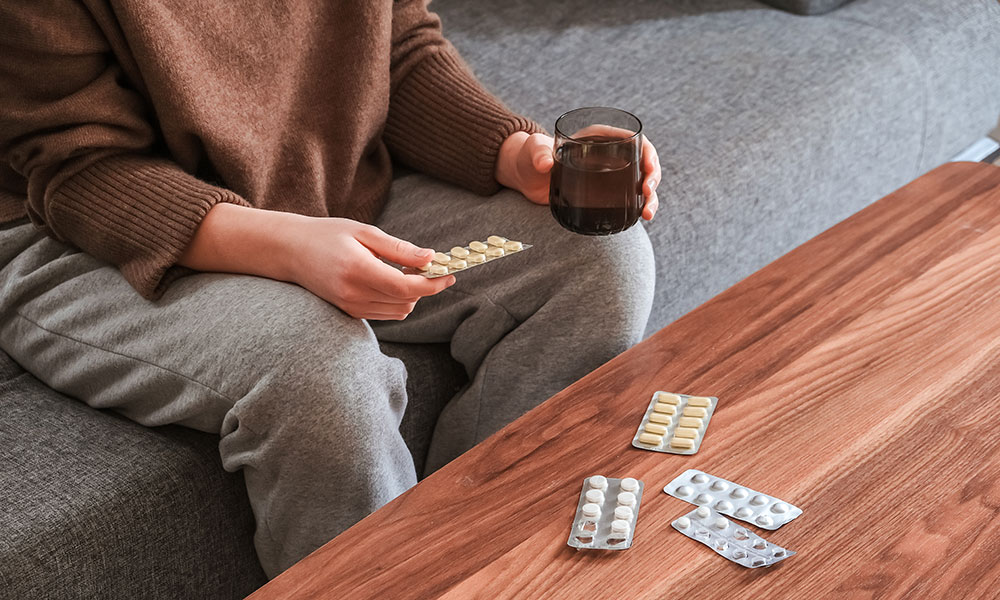
Alcohol consumption can diminish the effectiveness of Cymbalta in treating depression, anxiety, and chronic pain. Alcohol can cause fluctuations in mood, disrupt sleep patterns, and raise levels of stress hormones, all counterproductive to the recovery process.
Monitoring and When to Seek Medical Help
Signs of Liver Problems
Indicators of liver issues include: abnormally dark urine, jaundice (yellowing skin), abdominal discomfort, itching, nausea, or persistent fatigue. These symptoms warrant prompt medical evaluation.
Signs of Severe Interaction
Seek medical help immediately if you or people you know experience severe dizziness, extreme sedation, confusion, blackouts, weakness, or suicidal thoughts.
Talking With Your Healthcare Provider
Your health care provider should be a key partner in your treatment plan; you should ask questions that are relevant to drinking alcohol with antidepressants. Questions to ask may include whether any alcohol is safe, how much is considered risky, and whether putting time between taking duloxetine and consuming alcohol affects your risks for side effects.
Disclosing your alcohol consumption will enable your healthcare provider to assist you in developing an appropriate treatment plan. Collaborative decision-making supports better mental health outcomes and reduces harm.
Practical Tips for Patients on Cymbalta
Navigating social gatherings with your non-alcoholic beverage can be challenging. Develop a list of beverages that do not have alcohol in them, create boundaries, and avoid environments that may not be safe.
Develop a solid plan for your healing that accommodates your medication regimen and results in successful treatment. For those struggling to cut back or stop drinking, professional support through medical detoxification, inpatient care, or outpatient treatment can provide structure and reassurance.
Conclusion and Safety Summary
Cymbalta and alcohol can interact in ways that affect the brain, mood, and liver. Drinking alcohol with Cymbalta increases the risk of dizziness, sedation, liver strain, and can reduce antidepressant effectiveness. Because there is no one-size-fits-all answer to using these substances together, medical guidance is essential.
If alcohol use feels difficult to manage or is interfering with mental health treatment, compassionate support is available. Recovery-focused care can address both medication safety and overall well-being.
Aura Recovery Editorial Guidelines
At Aura Recovery, we take your health and wellness seriously. We have a thorough process in place to ensure the integrity of information that is displayed on our website. All content published to our site undergoes a rigorous medical review by a doctorate level clinician to ensure medical accuracy.
Read More About Our ProcessFrequently Asked Questions
Sources

© 2026 Aura Recovery Center. All rights reserved. - Privacy Policy