



Table of Contents
- Why Do Dealers Lace Drugs?
- How Can You Tell if a Drug Has Been Laced?
- Dangers of Laced Drugs
- Examples of Commonly Laced Drugs
- Harm Reduction: Minimizing the Risk of Laced Drugs
- Responding to Suspected Laced Drug Use or Overdose
- Seeking Help and Substance Abuse Treatment
- Take the Next Step Toward Safety and Recovery
Key Points
- "Laced" refers to drugs intentionally or carelessly mixed with foreign substances, often without the user's knowledge.
- Dealers lace drugs to increase profits or boost potency, though cross-contamination also occurs during manufacturing.
- Visual inspection alone cannot identify laced drugs; fentanyl test strips may detect fentanyl, but detect only fentanyl, not other foreign substances
- Laced drugs can cause fatal overdoses when potent opioids like fentanyl and other substances are present in microscopic amounts.
Street drugs available today contain dangerous substances which can prove fatal to users. The number of overdose deaths throughout the nation has risen because illegal drugs now contain more, and more dangerous substances which include potentially deadly synthetic opioid compounds and other foreign substances [1]. Understanding what “laced” means and recognizing the dangers of laced drugs can save your life or the life of someone you know.
When we talk about laced drugs, we’re referring to harmful substances that have been mixed or adulterated with other chemicals. This might happen intentionally as dealers boost profits, or carelessly through cross-contamination. Either way, you never truly know what you’re taking. There is no safe way to use illicit drugs.
What Does “Laced” Mean? (Definition & Context)
The term “laced” evolved to describe drugs adulterated with foreign substances. In drug slang, “laced” describes any substance spiked or cut with other compounds, usually without the buyer’s knowledge.
Lacing happens two ways. Intentional lacing occurs when dealers deliberately add substances. A dealer might mix fentanyl into heroin to create a stronger high while stretching supplies. Careless contamination happens when multiple substances are processed using the same equipment, and powder residue from one batch of chemicals mixes into another.
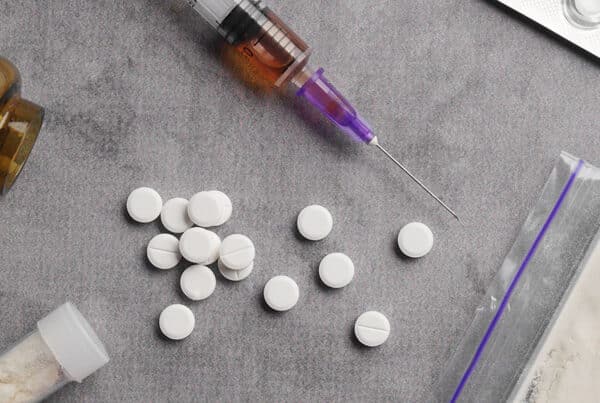
Common adulterants include fentanyl (a synthetic opioid 50-100 times stronger than morphine), xylazine [2] (a veterinary tranquilizer), levamisole [3] (an animal dewormer often found in cocaine), synthetic cannabinoids, bath salts [4], and inert fillers like baby powder and chalk.
Why Do Dealers Lace Drugs?
Profit drives most drug lacing. By adding cheap fillers, dealers stretch their supply and increase volume. A kilogram of cocaine cut with adulterants yields more doses and higher profits.
Some dealers add potent substances to boost perceived quality. When fentanyl is mixed into heroin, the intense high makes users believe they’ve found a pure product, when they’re actually experiencing dangerous adulterants [1]. This enhanced potency creates stronger dependencies leading to repeat customers.
Cross-contamination accounts for another portion of laced drugs. Illegal production lacks safety protocols. Equipment and surfaces get reused without cleaning, allowing careless, unpredictable contamination.
Any unknown additive creates dangerous unpredictability in dose and reaction.

How Can You Tell if a Drug Has Been Laced?
You can’t, for certain, tell if a substance has been laced. Visual detection is extremely difficult and unreliable. Changes in color, texture, clumping, or unusual granules might indicate contamination, but these signs are often absent. Unexpected bitter flavors, chemical odors, or metallic smells can signal adulterants, although fentanyl is tasteless and odorless.
Indicators of adulteration often come from unexpected effects: their rapid onset, stronger or different sensations than usual, severe nausea, chest tightness, or extreme sedation. However, by the time you experience these symptoms, you’re already at risk for harm greater even than the effects of the drug you thought you were using.
Fentanyl test strips provide a detection method for fentanyl only, not other foreign substances. They work by dissolving a small amount of a substance in water, dipping the test strip, and waiting for results. One line indicates fentanyl may be present; two lines suggest it may not be present, but false negatives occur. These strips are available through harm reduction programs, health departments, and pharmacies. Check expiration dates.
Visual inspection alone is also unreliable because fentanyl is active in micrograms (millionths of a gram). A lethal dose fits on a pencil tip and is invisible to the naked eye. Chemical testing is an identification method, but may not be positive even when fentanyl is present due to false negatives or expired strips, and won’t identify other foreign adulterants.
Dangers of Laced Drugs
Overdose risk from laced drugs is extreme. Potent synthetic opioids like fentanyl cause respiratory depression [1] and death, even in tiny doses. When someone takes their usual amount not knowing it contains fentanyl, breathing slows and may stop. Other toxic opioids may be present in place of or in addition to fentanyl.
Unknown drug interactions compound dangers. Cocaine laced with fentanyl is particularly deadly. The cocaine stimulates the heart while fentanyl depresses breathing, overwhelming the body’s ability to function.
Toxic adulterants create additional hazards. Xylazine causes severe wounds and skin necrosis (death) [2] requiring amputation. Levamisole suppresses the immune system and destroys white blood cells. Household chemicals may cause organ damage or neurological problems.
The extended effects of these conditions result in permanent damage to organs throughout the body including kidneys, liver, brain, and heart. The toxic effects cause some patients to develop seizure disorders and persistent psychosis. The law allows criminal penalties for drug possession when substances are contaminated even if the person is unaware of the contamination. You could suffer consequences of fentanyl and other possession not even knowing you have them.
Examples of Commonly Laced Drugs
Heroin and opioids are frequently mixed with fentanyl to increase potency and mixed with xylazine for prolonged effects.
Cocaine and crack often contain levamisole (found in 70% of cocaine samples in some regions) or fentanyl, creating overdose risk [3], especially for users without opioid tolerance.
Methamphetamine and MDMA (Ectasy) may contain bath salts [4], synthetic cathinones, or fentanyl. Pills sold as MDMA frequently contain other stimulants or research chemicals.
Marijuana is sometimes laced with fentanyl, and PCP contamination occurs.
K2 and spice contain very dangerous synthetic cannabinoids causing seizures, psychosis, and kidney damage.
Counterfeit prescription pills pressed to look like Percocet, Xanax, OxyContin, or Adderall frequently contain fentanyl or methamphetamine instead of the expected drugs.
This is not at all a complete list. The combinations of drugs on the streets and their adulterating substances come in countless varieties and varying amounts. New foreign substances are frequently introduced. You cannot know the true nature of what you get on the street. Your life may be at risk with every dose.
Harm Reduction: Minimizing the Risk of Laced Drugs
Illicit drug use is never safe. If you risk using illicit substances, never use them when you are alone. Having someone present who can call for help and administer naloxone increases survival chances. Consider supervised consumption services where available.
Testing your supply using fentanyl test strips, [1] available through harm reduction programs or health departments, may identify fentanyl but may not; there are false negatives. They won’t identify other foreign substances, which may also be deadly.
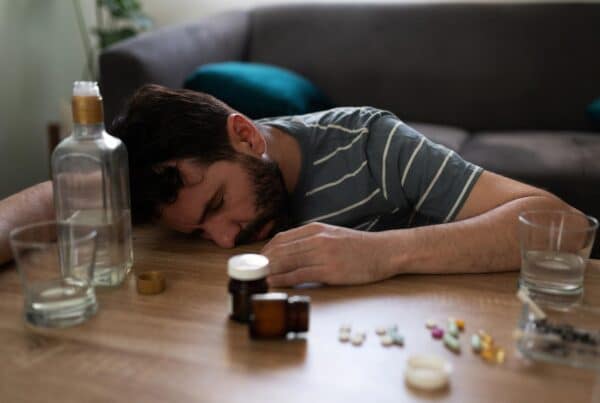
Don’t mix substances. Combining laced drugs with alcohol or other drugs multiplies adverse effects and overdose risk and carries serious health risks and side effects.
Carry naloxone (Narcan), which rapidly reverses opioid overdoses. It’s available without a prescription in most states and distributed free by many programs. Even stimulant users need naloxone because fentanyl can contaminate any street drug [1].
Stay informed about local drug alerts. Health departments issue warnings when especially dangerous batches appear. Overdose spikes indicate supply changes affecting your risk.
Responding to Suspected Laced Drug Use or Overdose
Recognize overdose signs: slow, shallow, or stopped breathing; blue lips or fingertips; unresponsiveness; gurgling or choking sounds [1].
Call 911 immediately. State someone is overdosing and mention possible fentanyl. Provide your exact location.
Administer naloxone right away. For nasal spray, tilt the head back, insert the nozzle into one nostril, and press firmly. Give a second dose if there is no response within 2-3 minutes. Naloxone is safe even if opioids aren’t involved.
Perform rescue breathing if the person isn’t breathing adequately. Tilt their head back, lift their chin, pinch their nose, and give one breath into their mouth every five seconds.
Never leave the person alone. Naloxone wears off in 30-90 minutes, but many opioids last longer. They could slip back into overdose.
Good Samaritan laws in many states protect people who call 911 during drug emergencies from prosecution for drug possession.
Seeking Help and Substance Abuse Treatment
If you repeatedly encounter laced drugs, use without testing, or can’t stop despite knowing the dangers, you may be struggling with substance use disorder. This is a medical condition, not a moral failing. If you illicitly use substances at all you risk your health and safety; help is available to you.
Treatment options include medical detox (safe, supervised withdrawal), medication-assisted treatment for opioid use disorder (using methadone, buprenorphine, or naltrexone to reduce cravings), cognitive-behavioral therapy to address unhealthy thought patterns, and harm reduction counseling that meets you where you are.
Encouraging those suffering from substance abuse to get help, not enabling their use, requires balance. Have open dialogue, without judgment. Express concern from caring, not anger. Suggest professional assessment, rather than demanding change. Tell the drug user what their substance abuse is doing to you. Use “I” statements, such as, “I’m concerned about your use and I’m worried about you,” or “It hurts me to see you hurt yourself.”
At Aura Recovery in Scottsville, Kentucky, we provide comprehensive treatment plans including medical detox, short-term inpatient programs, medication-assisted treatment, intensive outpatient services, and family support. We understand your challenges and walk alongside you through every step of recovery.
Take the Next Step Toward Safety and Recovery
Understanding substance lacing is information that can save your life. Today’s street drug supply carries unprecedented risks, with fentanyl and other toxins contaminating substances across all categories of drugs. However, you’re not powerless.
The only safe use is no use. If you do use street drugs, not even testing your supply can guarantee your safety. Never using when you’re alone, carrying naloxone, and staying informed may reduce risk. Prioritize your survival and wellbeing.
If you or someone you know is struggling with substance use, compassionate help is available. At Aura Recovery, we’ve seen countless individuals reclaim their lives. You don’t have to face this alone. Reach out to our helpline today for confidential assessment and support. Recovery is possible, and it starts with a single conversation.
Frequently Asked Questions
Sources
[1] Centers for Disease Control and Prevention. (2023). Fentanyl: Preventing overdose deaths [PDF]. https://www.cdc.gov/overdose-resources/pdf/CDC_Fentanyl-Fact-Sheet_General_508.pdf
[2] Centers for Disease Control and Prevention. (2024). Xylazine: Clinical management and harm reduction [PDF]. https://www.cdc.gov/overdose-prevention/media/pdfs/2024/07/Xylazine-Clinical-Management-and-Harm-Reduction.pdf
[3] Centers for Disease Control and Prevention. (2009). Unexplained agranulocytosis associated with levamisole-adulterated cocaine (MMWR 58(49)). https://www.cdc.gov/mmwr/preview/mmwrhtml/mm5849a3.htm
[4] Government of Canada. (2023). Bath salts. https://www.canada.ca/en/health-canada/services/substance-use/controlled-illegal-drugs/bath-salts.html
[5] Centers for Disease Control and Prevention. (2021). About synthetic cannabinoids (Archived). https://archive.cdc.gov/www_cdc_gov/nceh/hsb/envepi/outbreaks/sc/About.html
Aura Recovery Editorial Guidelines
At Aura Recovery, we take your health and wellness seriously. We have a thorough process in place to ensure the integrity of information that is displayed on our website. All content published to our site undergoes a rigorous medical review by a doctorate level clinician to ensure medical accuracy.
Read More About Our Process